For a Bulgarian fashion label, cosmetics shop or independent stylist, being visible online can mean more than appearing in a list of search results. Customers increasingly ask AI tools for recommendations, comparisons and practical advice.
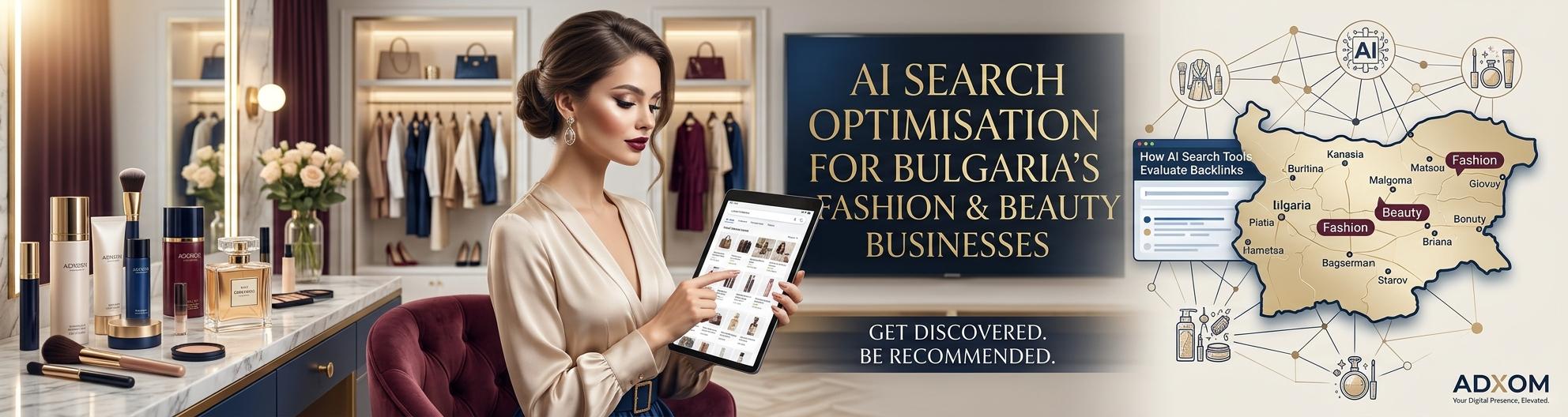
For a Bulgarian fashion label, cosmetics shop or independent stylist, being visible online can mean more than appearing in a list of search results. Customers increasingly ask AI tools for recommendations, comparisons and practical advice. AI search optimisation helps a business become easier for these systems to understand and cite, while also improving the information real shoppers find on its website.
Make your business easy to describe
AI tools work with the information they can find across websites. A business is easier to represent accurately when its site clearly explains what it sells, who it serves and where it operates. Instead of relying on vague phrases such as “quality products for everyone”, name the product range, materials or ingredients, price level and delivery area.
A Bulgarian skincare shop, for example, might state whether it carries products for sensitive skin, whether its descriptions include ingredient lists, and whether it delivers across Bulgaria. A clothing brand could explain its sizing, fabric choices, production location and returns policy. These details help customers decide whether a recommendation fits their needs, and give AI systems useful context to draw on.
Build useful pages, not just keywords
Search-friendly content should answer the questions customers actually ask. A cosmetics retailer could publish a clear guide to choosing a cleanser for different skin types. A boutique might explain how to measure for a dress or care for linen garments. Keep advice specific, current and consistent with the products or services you offer.
Organise information with descriptive headings and concise paragraphs. Use product names and familiar terms naturally, but avoid repeating the same phrase simply to attract traffic. Include practical details such as sizes, ingredients, availability, delivery costs and return conditions where relevant. If you serve customers in more than one language, make each version complete and professionally written rather than relying on a partial translation.
Why backlinks still matter
Links from other websites can help search systems discover your pages and understand how they relate to a wider subject. But a large number of links is not automatically a sign of credibility. A relevant mention from a fashion publication, local business directory or beauty professional may be more meaningful than links from unrelated pages. The context around a link matters: it should make sense to readers and point to information that genuinely supports the discussion.
The way AI tools interpret links is still developing, and no single tactic guarantees that a page will be cited. For a useful overview of how several platforms may assess them, read how AI search tools evaluate backlinks. Treat that knowledge as a reason to earn relevant, editorial mentions—not as a reason to buy large batches of links or publish thin articles built around them.
Strengthen trust across the web
Make sure the details on your website match what customers see elsewhere. Your business name, contact information, location, product descriptions and opening hours should be consistent across social profiles and reputable listings. Clear policies and an accessible way to contact you also help shoppers assess whether a business is dependable.
Reviews can add valuable first-hand context, especially when they describe a real product or service. Invite customers to share honest feedback, respond courteously to concerns and avoid writing or purchasing fake reviews. For a small Bulgarian business, a handful of detailed, credible reviews may be more useful than a stream of generic praise.
Keep your offline identity consistent
Online visibility is only one part of a brand’s presence. At pop-up markets, trade events and showroom appointments, printed materials can help customers remember the business and find it again. Business cards should be readable and practical, with a clear name, role, contact method and website or social handle. Before ordering, check the dimensions expected by your printer; this global business-card size guide can help when comparing formats.
If you need help with a logo, product photography, translation or web copy, a freelance marketplace such as Osdire lets buyers find specialists across categories including design, writing and marketing. Compare portfolios and agree on the scope before work begins, just as you would with any supplier.
A practical starting point
Choose one important customer question and make the answer easier to find on your site. Check that the page is accurate, useful on a phone and clear about what the customer should do next. Then review whether credible websites or local partners might have a genuine reason to reference it. This steady approach—useful content, consistent business information and relevant mentions—supports both ordinary search visibility and the chance that AI tools will present your brand accurately.